Typology Hub

Socionics · MBTI · Enneagram

Three systems
for describing
a mind.

Socionics, MBTI and the Enneagram explained with diagrams, short animated reels and the original sources, so you can compare them.

Start reading ↓
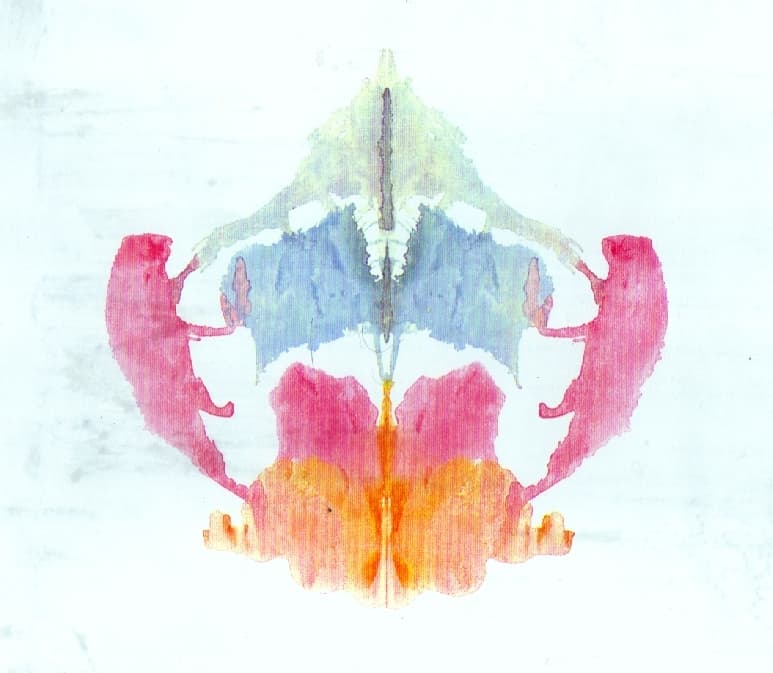
Rorschach inkblot, plate VIII

Rorschach inkblot, plate VIII (1921)

The three systems
A century of typing1909 — 1970s

1909

Jung meets America

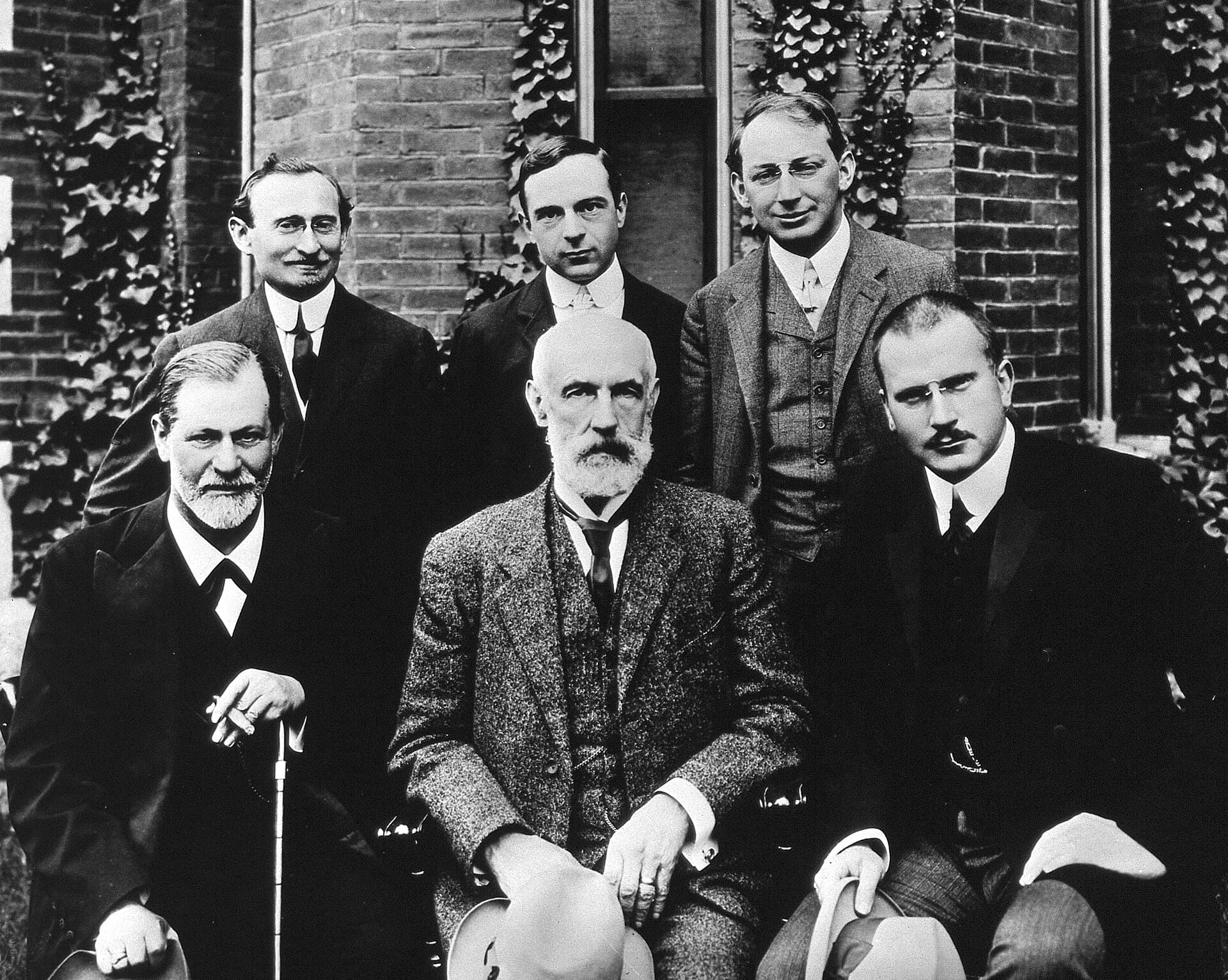
Freud and Jung lecture at Clark University. Within a few years their split pushes Jung toward his own account of psychological types.

Freud, Jung and colleagues at Clark University, 1909
Clark University, 1909. Freud front left, Jung front right.

1921

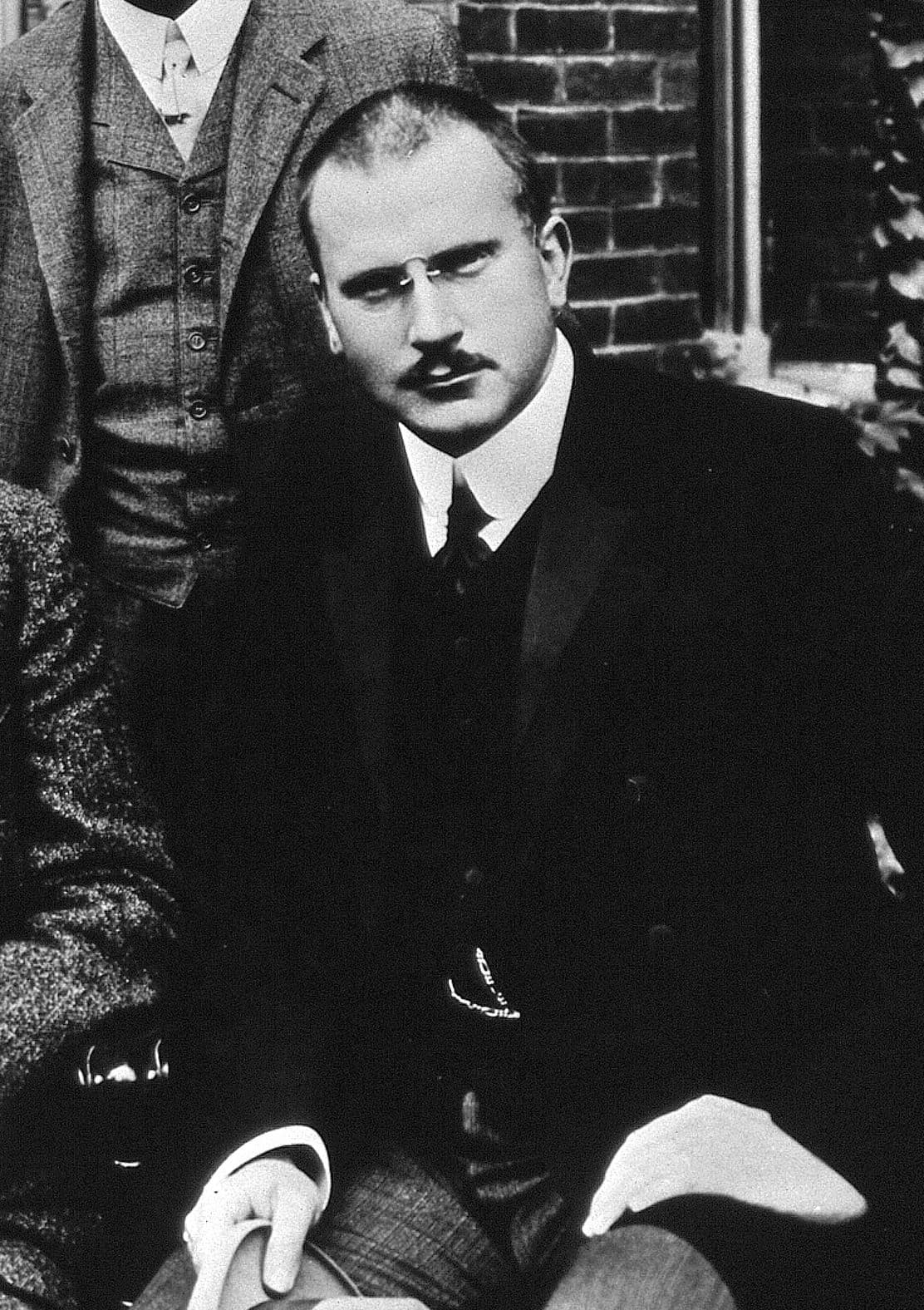
Psychological Types

Jung publishes his book on introversion, extraversion and four functions: thinking, feeling, sensation, intuition. Every system on this site descends from it.

Carl Gustav Jung
C. G. Jung.

1921

Ten inkblots

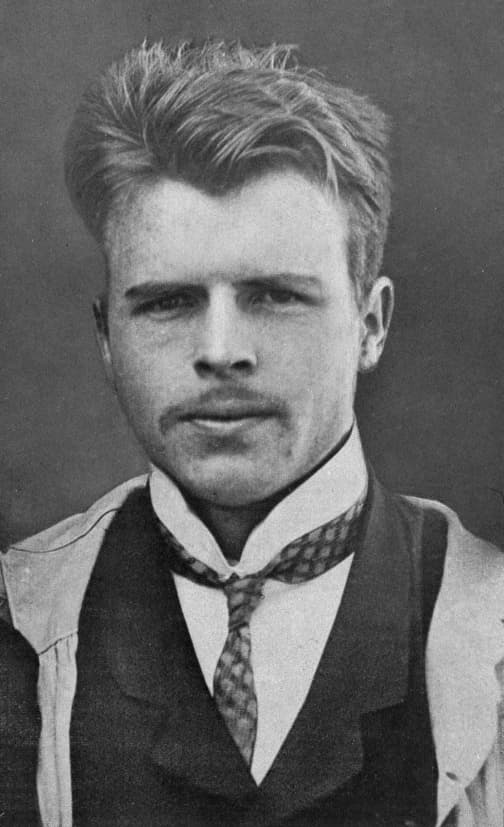
Hermann Rorschach publishes Psychodiagnostik. Typology learns to read perception, not only self-report.

Hermann Rorschach
Hermann Rorschach, c. 1910.

1920s

A symbol arrives

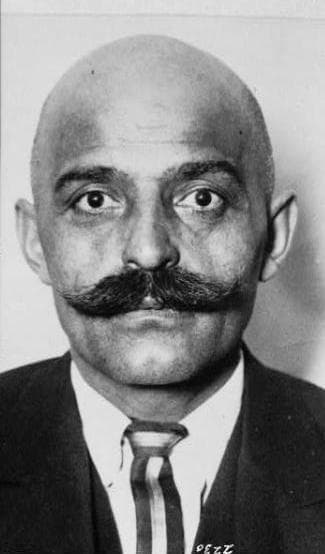
G. I. Gurdjieff teaches the enneagram figure in Europe. Later teachers attach nine personality types to it.

G. I. Gurdjieff
G. I. Gurdjieff.

1962

The Indicator

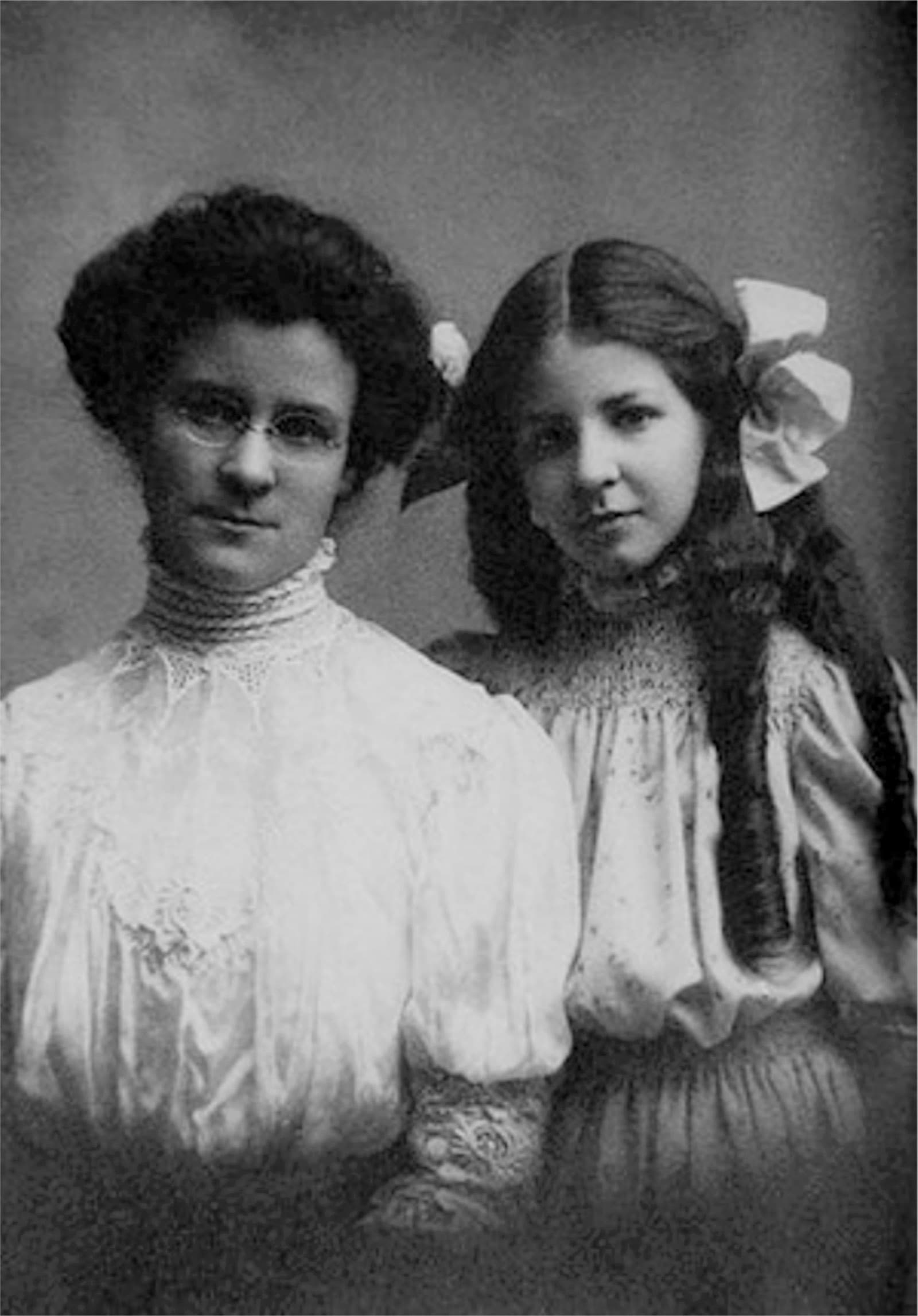
After two decades of work, Katharine Briggs and Isabel Briggs Myers see the MBTI published, turning Jung's functions into a questionnaire anyone can take.

Katharine Briggs and Isabel Briggs Myers
Katharine Briggs and Isabel Briggs Myers.

1970s

Information metabolism

In Lithuania, Aushra Augustinavichiute combines Jung's types with Antoni Kępiński's idea of information metabolism and builds Socionics and Model A.

No public-domain photograph available.

  • 16Socionics types
  • 16MBTI types
  • 9Enneagram types

None of these systems is validated as science. They are useful vocabularies for describing differences, and this site presents them as theory.